” … he got extremely excited about these discoveries”
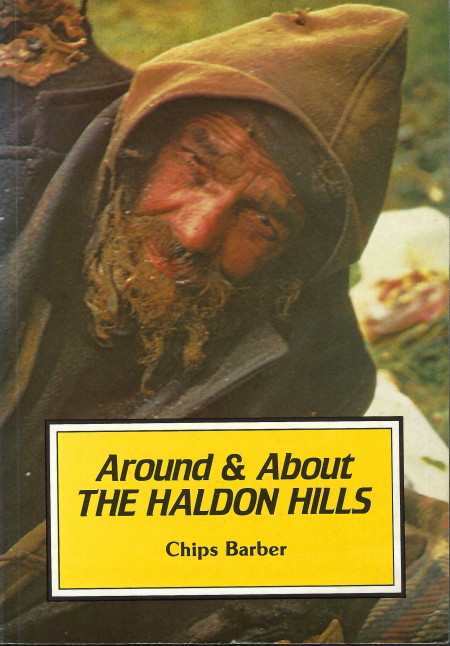
Chips Barber’s “Around and About the Haldon Hills” was first published in 1982 under his own imprint, Obelisk Publications. Its cover depicted “Smokey Joe,” the gentleman who, until 1975, used to reside on Telegraph Hill.
As part of his research, Chips went to explore the railway which ran inland around the hills. After obtaining Mrs. Eden’s permission, he ventured up the road past Midwinter with two companions.
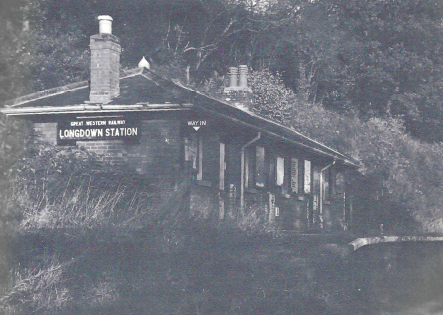
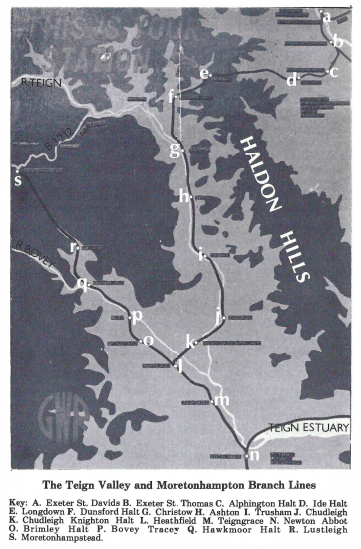
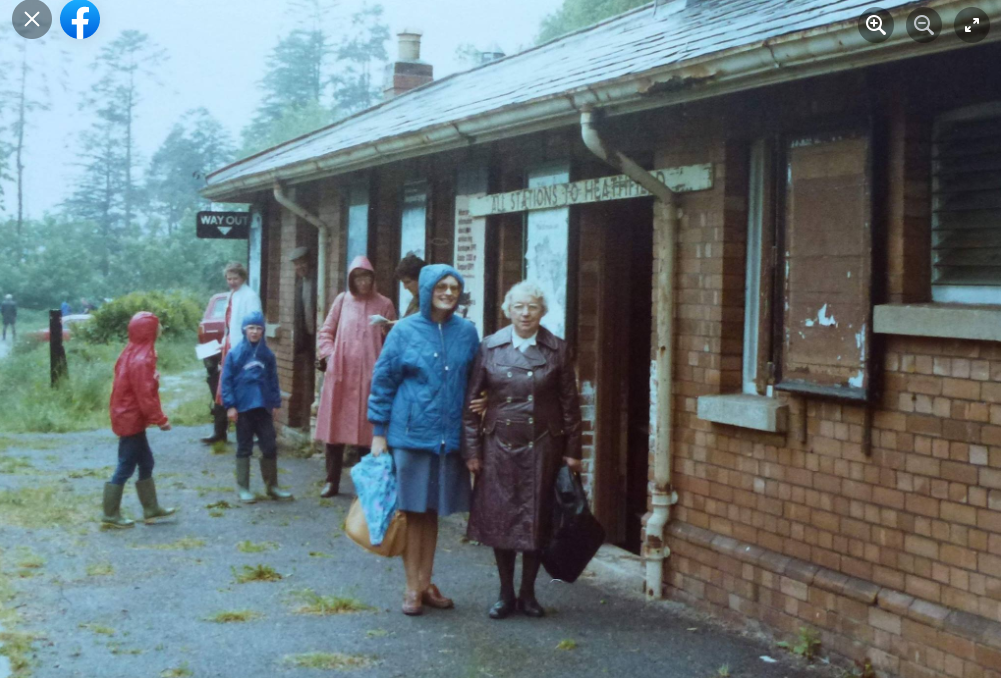
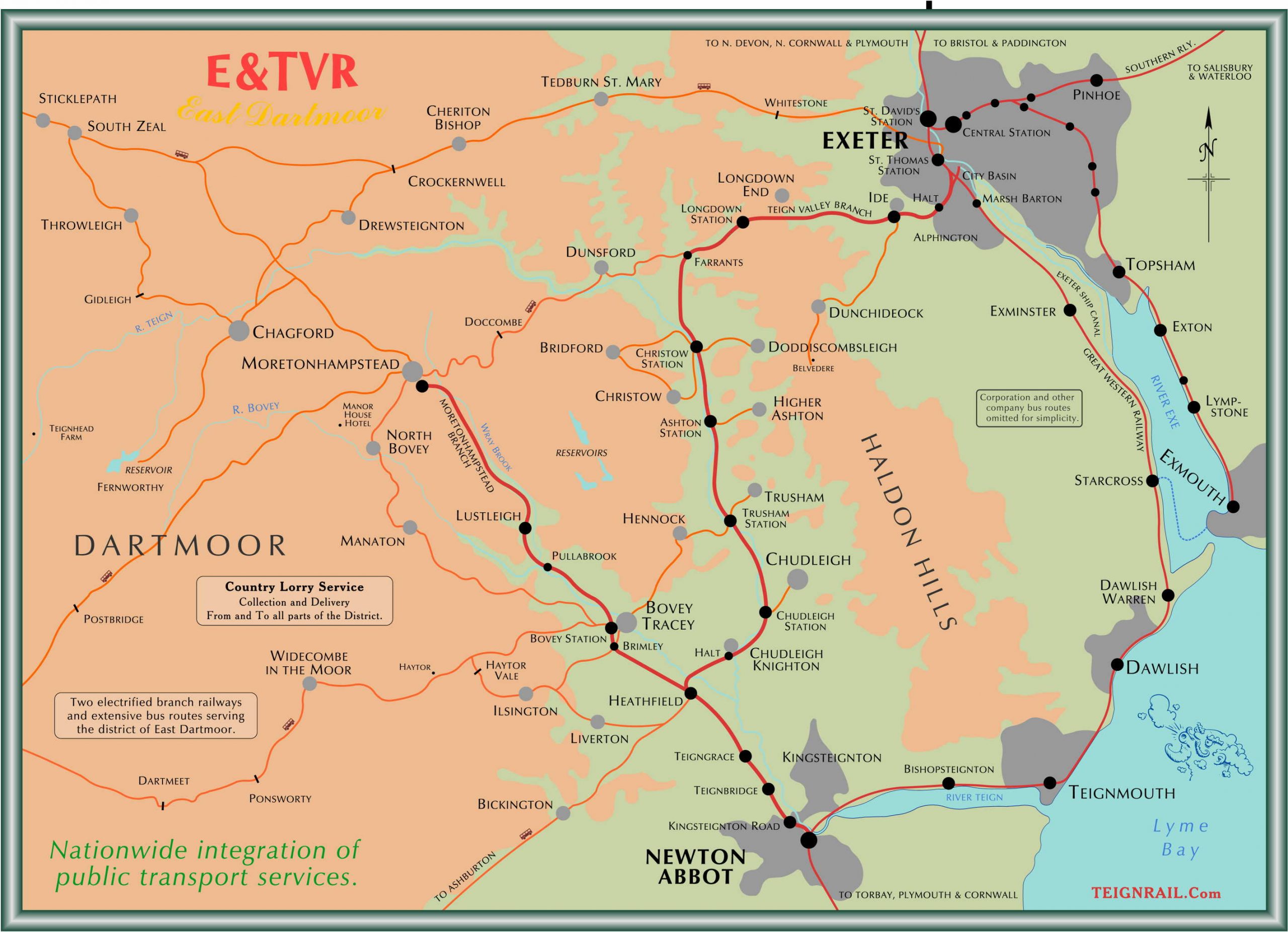
“To our great surprise we found Longdown Station, well away from the village, still in an excellent state of preservation considering the twenty-plus years it has been closed. Despite some obvious deterioration the building could easily be restored to mint condition. Some signs survive the years. We found a board which said on one side ‘Trains to Heathfield’ and on the other side, ‘Trains to Exeter’. There was a detailed map on a noticeboard showing the Teign Valley railway route, its stations and its link northwards from Heathfield to Bovey Tracey and Moretonhampstead.
David West, who led this expedition, is a railway enthusiast and he got extremely excited about these discoveries. Undoubtedly this line of ineffable sylvan beauty would surely have been a great tourist attraction had it survived the era of the ‘Beeching Axe’ in the late 1950s.”
The scribe wrote to Chips, pointing out his errors. They became friends and the author’s revised 1996 edition, “Around and About the Haldon Hills – Revisited,” included a more factual account of the railway.
In his 1996 “Revisited” edition, Chips wrote:
“That day we found, to our great surprise, Longdown Station, well away from the village and situated between Perridge and Culver tunnels. Thinking it to be in an excellent state of preservation considering the twenty-plus years it had been closed, we later learnt that this wasn’t the hand of nature being benign but the tender, loving care of railwayman Colin Burges. Prior to this remedial work, vandals had been at work in the early 1960s, Longdown station having been needlessly wrecked. A restoration project between 1975-1978 had brought the station back towards resembling its former self, with even the addition of new signs and a map.”
“Many of the stations have since been converted to private dwellings. At Christow, which is closer to Doddiscombsleigh, the station building has been adapted as a residence. However, in part of the goods yard, something of a railway revival has happened in the establishment of a base for the small but ambitious ‘Exeter & Teign Valley Railway’ …
“Although much preparatory work had been undertaken, it was really the whistle of a locomotive—this time a small diesel shunter—that announced the return of the railway to Christow after more than 30 years’ absence.
Now, abruptly, dereliction borders the neatness and order of a railway taking shape; this at a place where some local people do not know that there ever was a train service. Despite the contrast between the work of man and Nature, the railway is remarkably unobtrusive and sits comfortably in its tranquil surroundings; quite unlike the system of transport which finds favour today. Several differences between road and rail are portrayed in blunt style beside the public footpath which crosses the line. The site is not formally open to the public but a small exhibition is available for viewing in the summer, admission being by platform ticket for a modest sum.”