The last stronghold of Brunel’s broad gauge (7 ft. ¼ in. between the rails) west of Exeter was converted to standard over one weekend in 1892. But its marks and materials can still be found.
Exeter City Basin
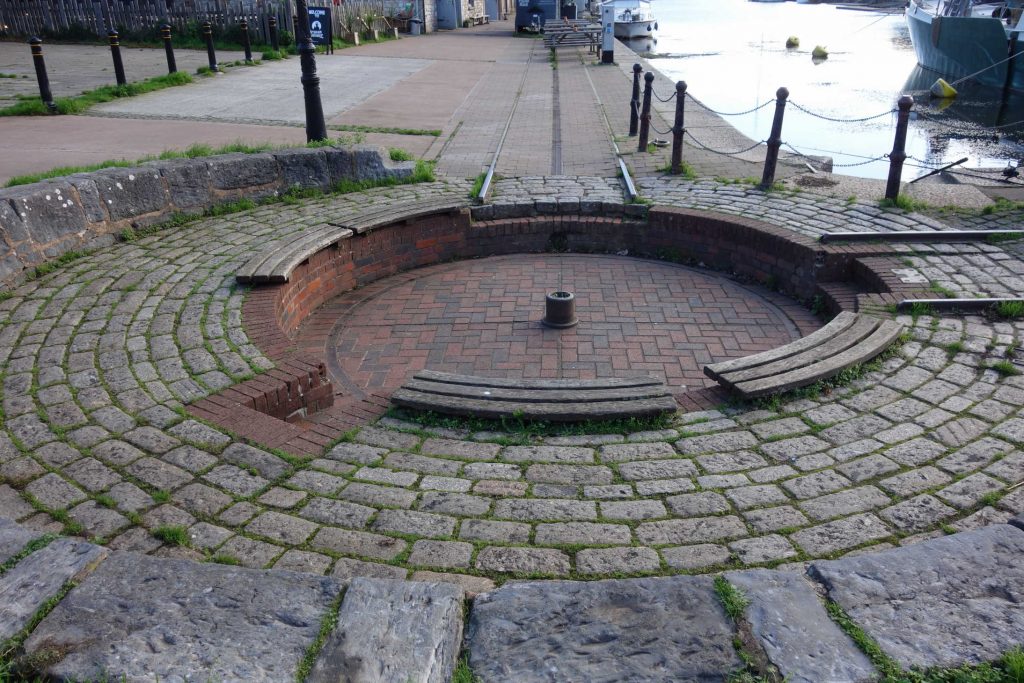
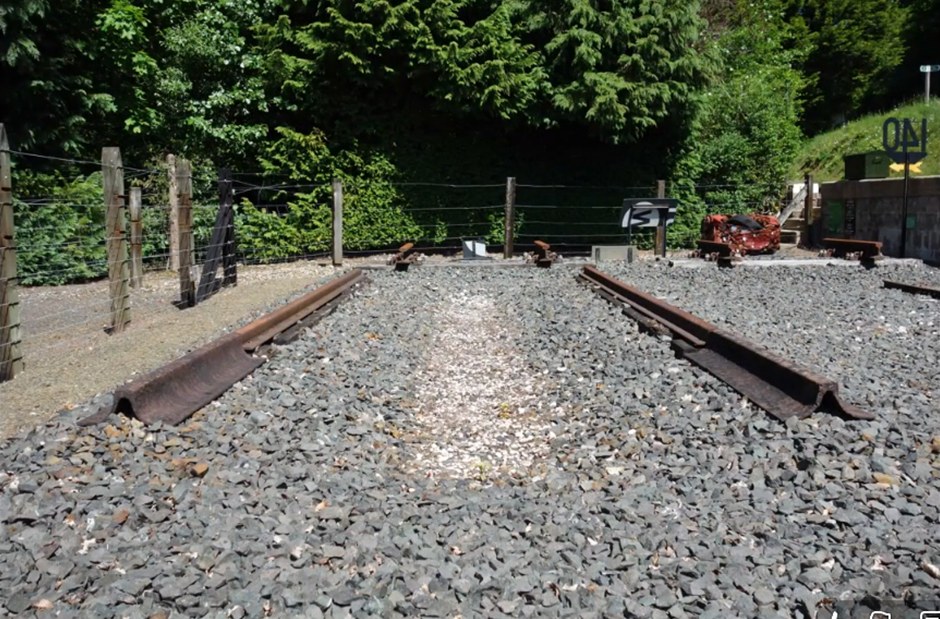
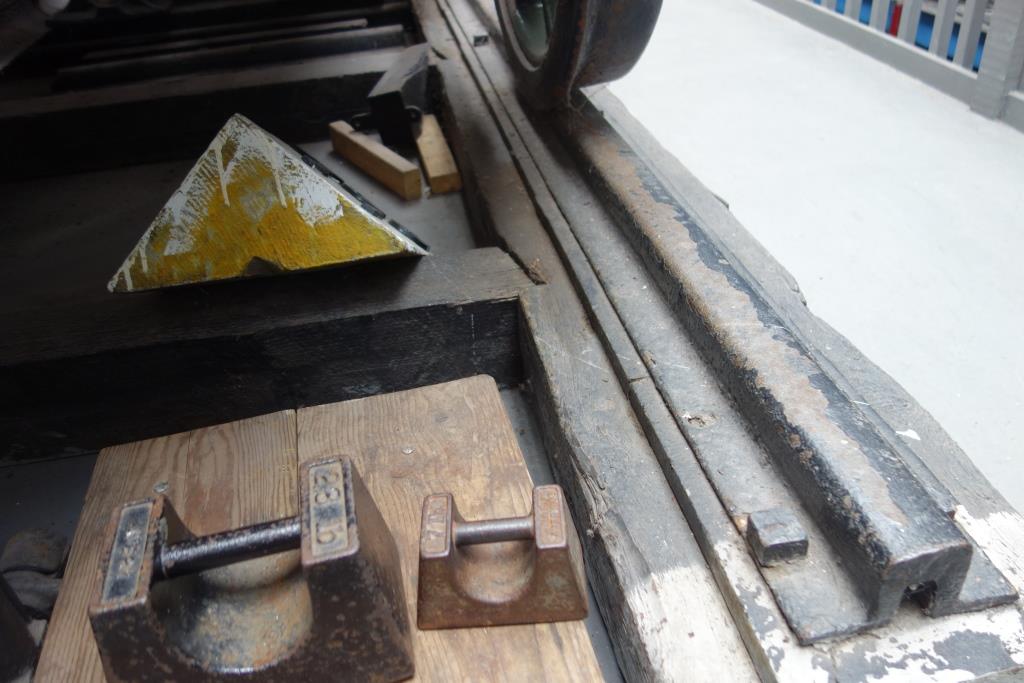
The later standard gauge wagon turntable pit at the corner of the Ship Canal’s City Basin has been made into a feature. It is off centre from the wall enclosure, which was built around the original turntable. The ends of the bridge rails have been chamfered by a cutting torch for safety’s sake. A single broad gauge rail can be seen to the left of the standard gauge, along with a strange cutaway which allowed axle guards and boxes to pass.
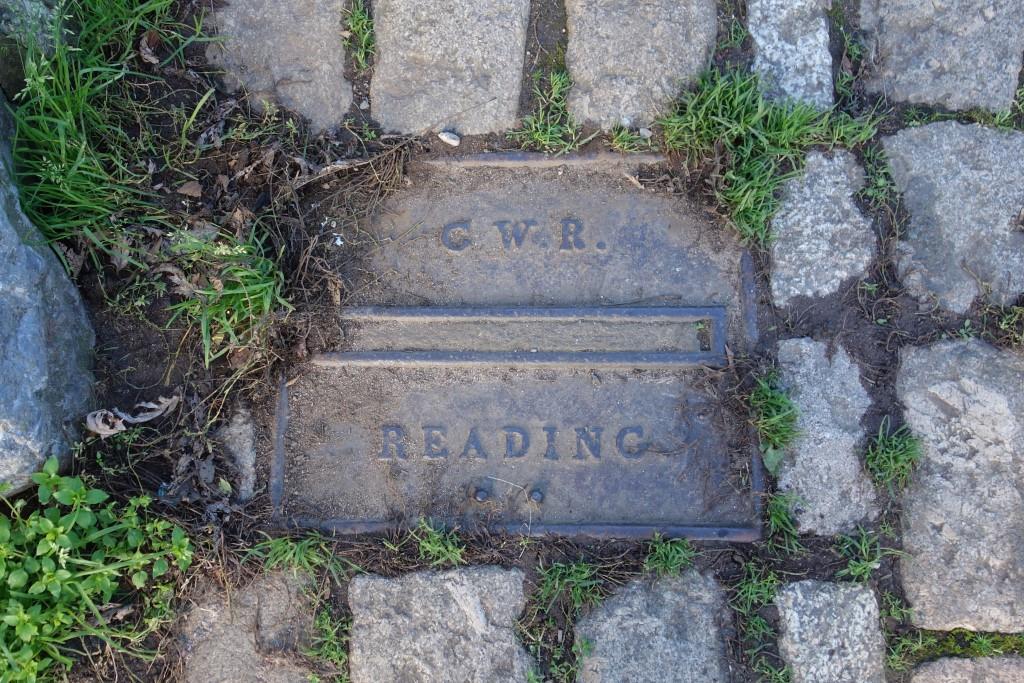
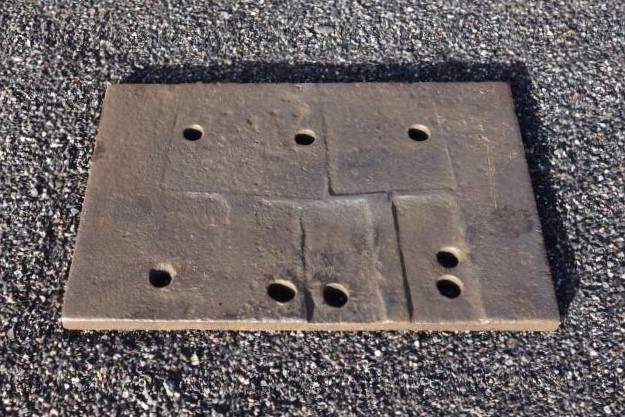
Right: This cover may have been part of the original turntable. Its slot has been filled.
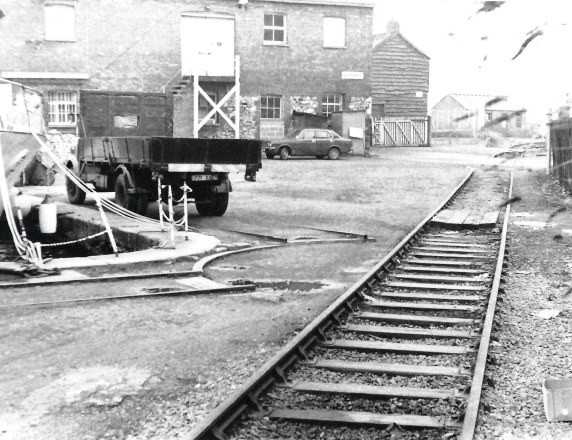
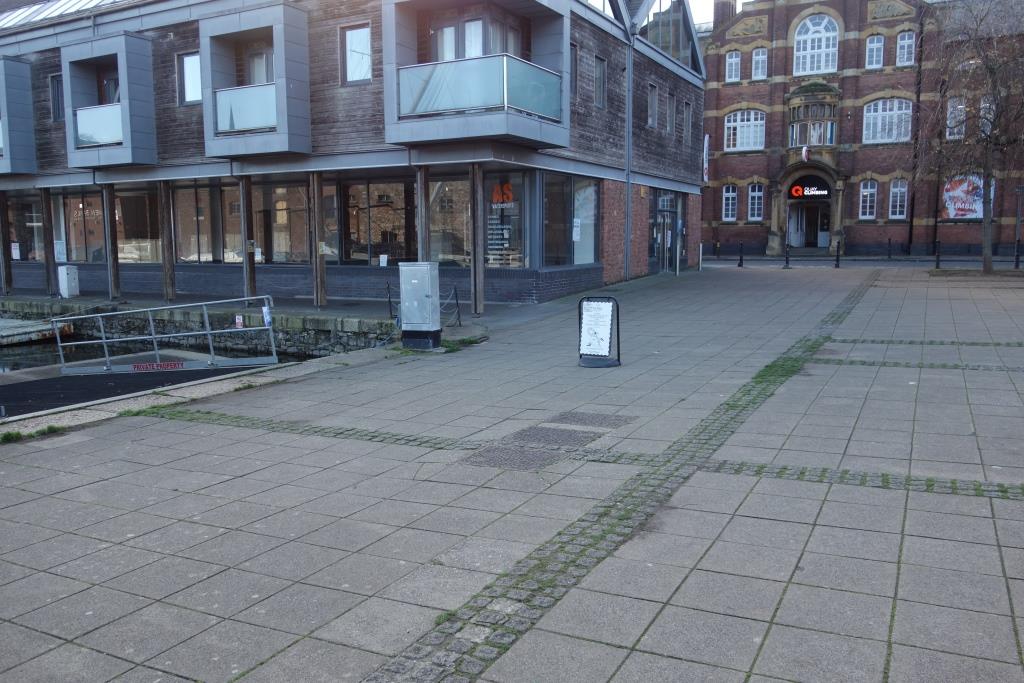
The branch passed through the original turntable on the opposite corner of the basin and terminated close to the river. The line which avoided the later standard gauge turntable, the remains of which are seen below left, may not be on the original alignment.
Until the conversion, City Basin Junction was the furthest west on the old South Devon that standard gauge trains could run.
Yeovil Pen Mill
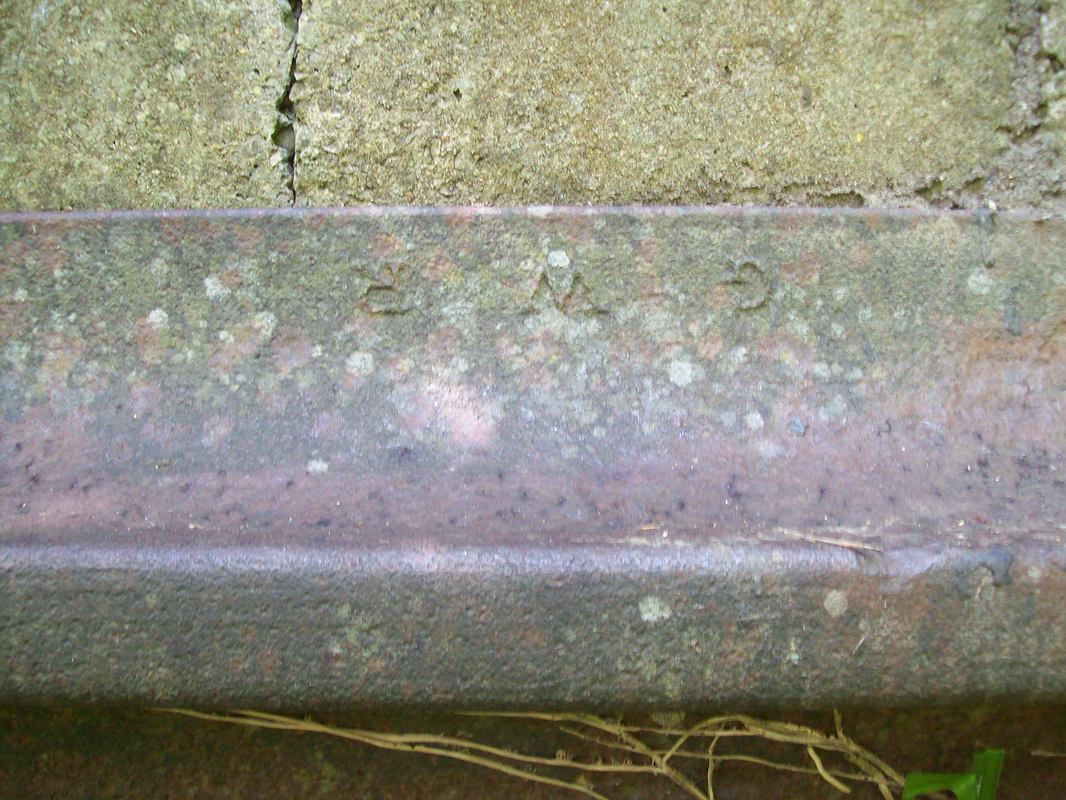
Sutton Wharf (Plymouth)
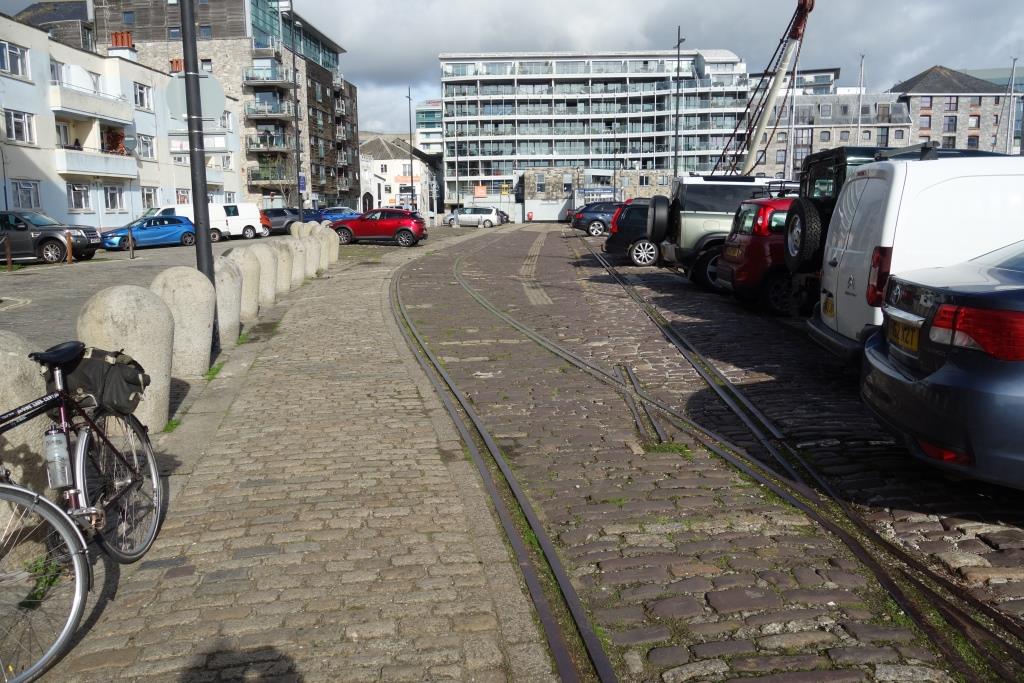
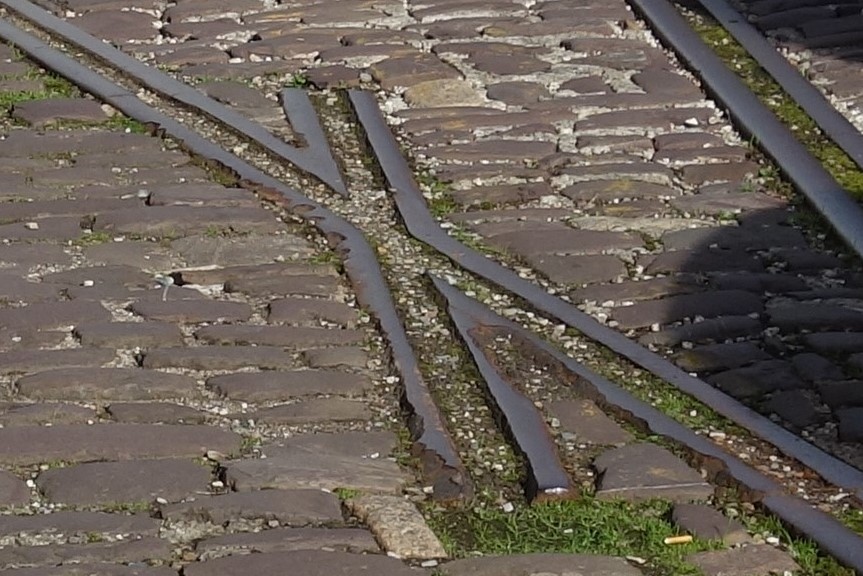
Crediton
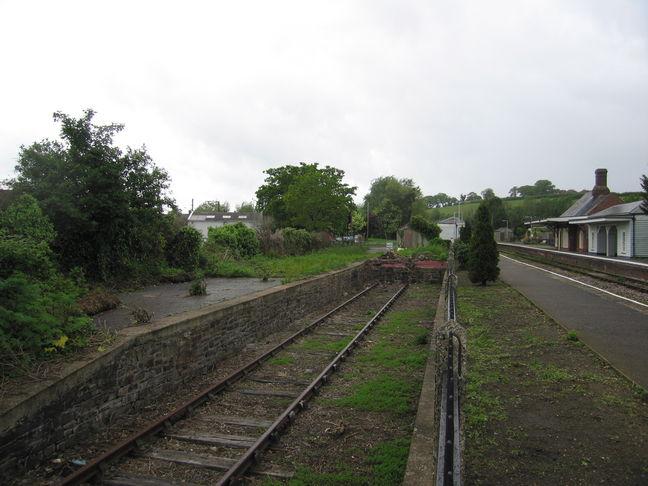
The original Exeter & Crediton had a convoluted history, with changes of gauge a feature of it. The station became mixed gauge. The line was the only broad gauge one not to come under Great Western control.
Copyright: Alexandra Lanes.
Halscombe Lane
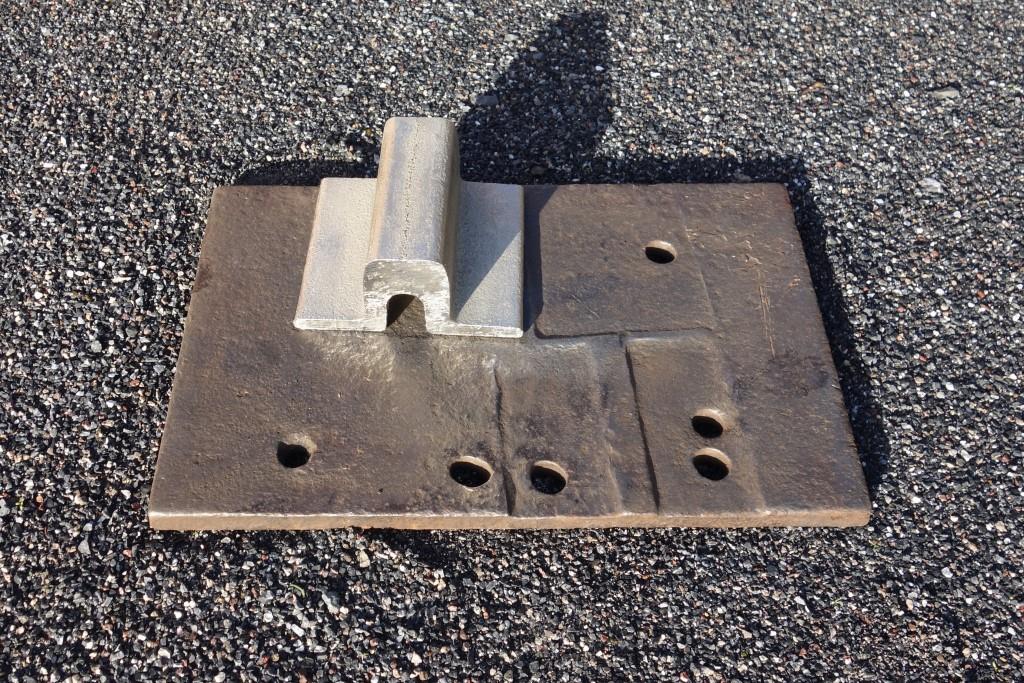
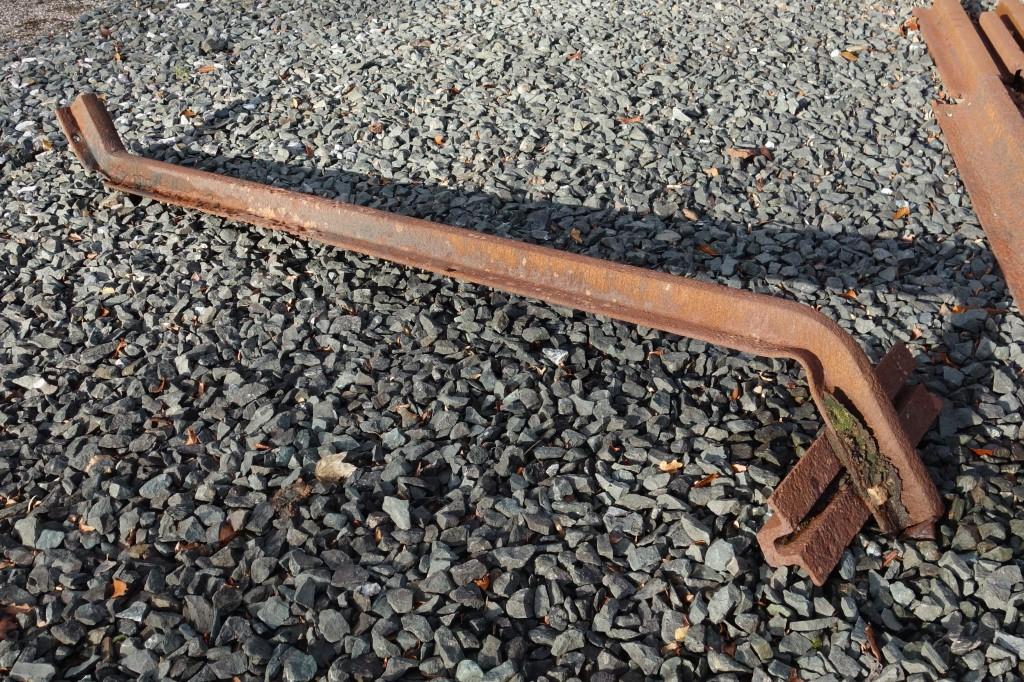
When the Exeter Railway opened, the broad gauge had been gone for more than ten years, but bits of it were used along the line and survive to this day.
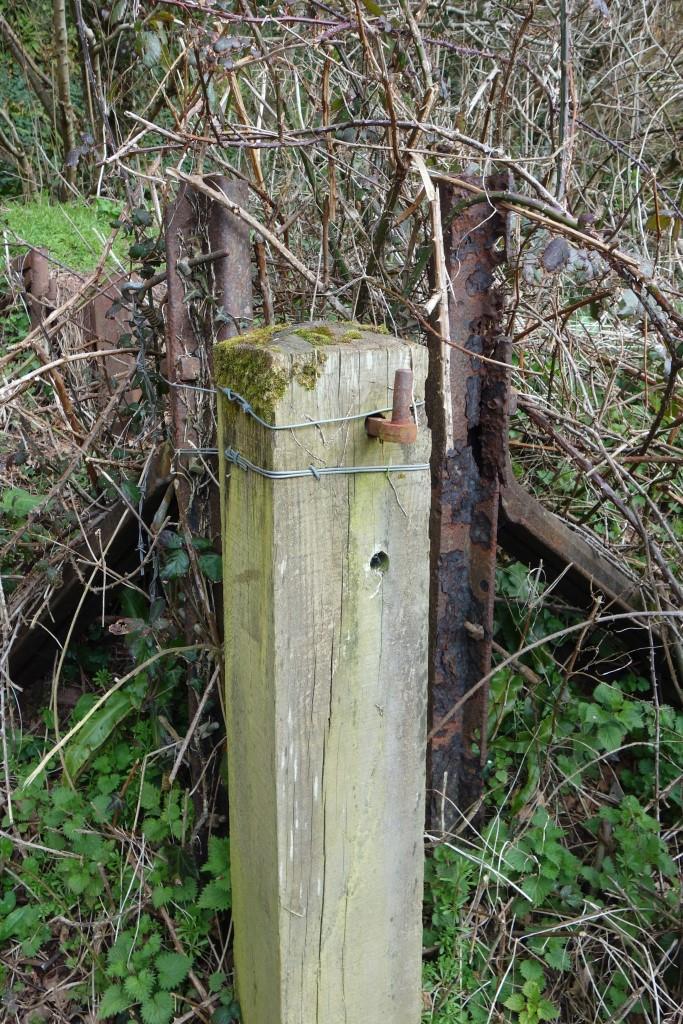

Longdown
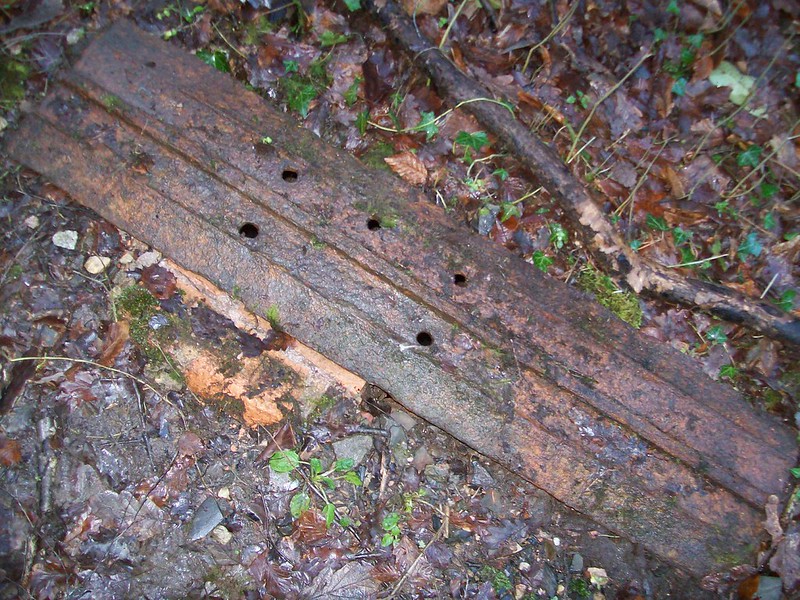
Christow
Moretonhampstead Branch
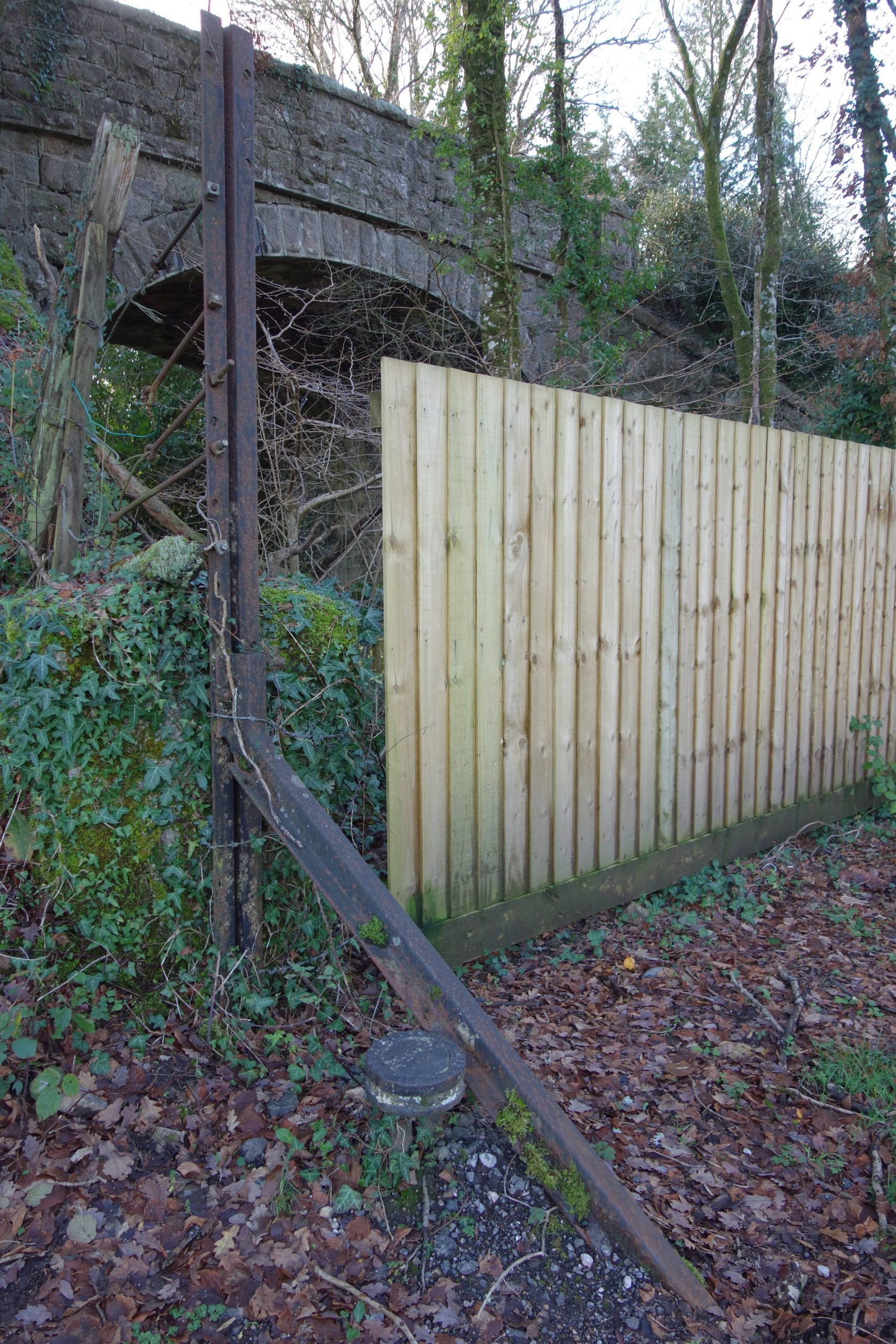
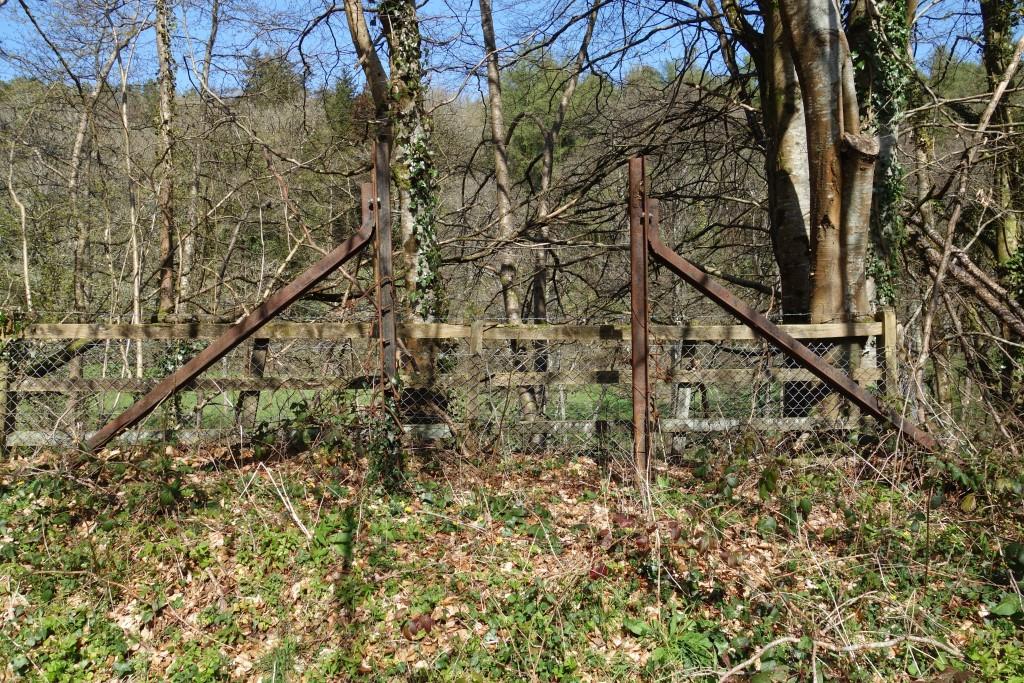
The Moretonhampstead & South Devon began as a broad gauge line and was one of those converted in that famous weekend in 1892. Strangely, the isolated standard gauge Teign Valley Railway branched from it.
Buckfastleigh
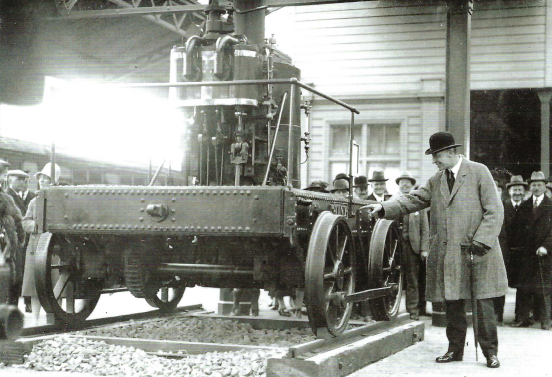
“Tiny,” the only surviving broad gauge locomotive, resides in the old Goods Shed, on loan from the National Railway Museum. When the loco was brought out of the works at Newton Abbot and displayed on the Down island platform, the broad gauge was still well within living memory and the baulk road, in its narrowed form, survived locally.
The Ashburton Branch was also converted in 1892.
Totnes
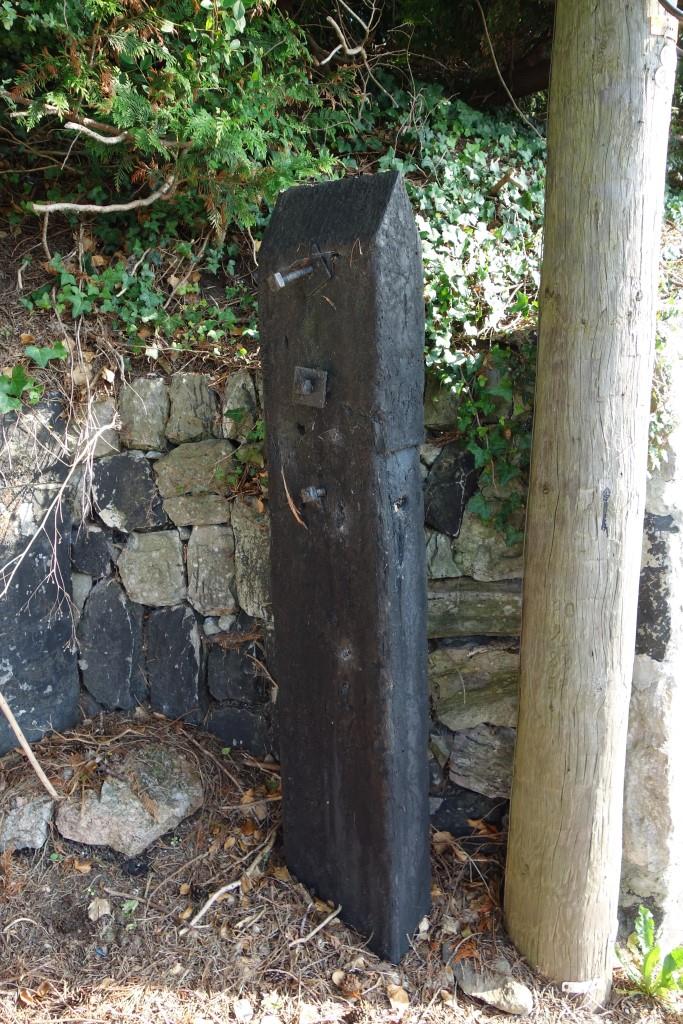
Nestling against the back wall of the car park on the Downside is this post, which an eminent historian is sure was once a baulk road timber, complete with transom notch, as seen in the museum at Buckfastleigh.